THE IRON SNAIL
Short Documentary
I first came across Isabella Day through an episode of Joe Marler’s Things People Do podcast. The conversation was mostly about goldsmithing and craft, but there was a short moment where she spoke about her late husband, Ford. In that brief section of the interview, I could feel the weight he still carried in her life. Not just through grief, but through gratitude. There was something in the way she smiled when she spoke about him that stayed with me afterwards.
I reached out to her and set up a call. The more we spoke, the more I realised this wasn’t really a film about loss. It was about what comes after it.

I think part of the reason the story connected with me was because I’m not unfamiliar with grief myself. Over the years, I’ve lost friends I served alongside and often found myself looking at the way other people carried loss, trying to understand my own relationship with it through them. There was something in Isabella’s way of speaking about Ford that felt emotionally recognisable to me. Not just sadness, but gratitude and continuation existing at the same time.
Before filming, Isabella and I spent close to twenty hours speaking over calls and pre-interviews. Not always about the project itself. Sometimes just ordinary conversation. Food shopping, life, routine. I wanted to understand who she was away from the structure of an interview and build trust before introducing a camera into something so personal, especially as Ford had passed away less than a year earlier.
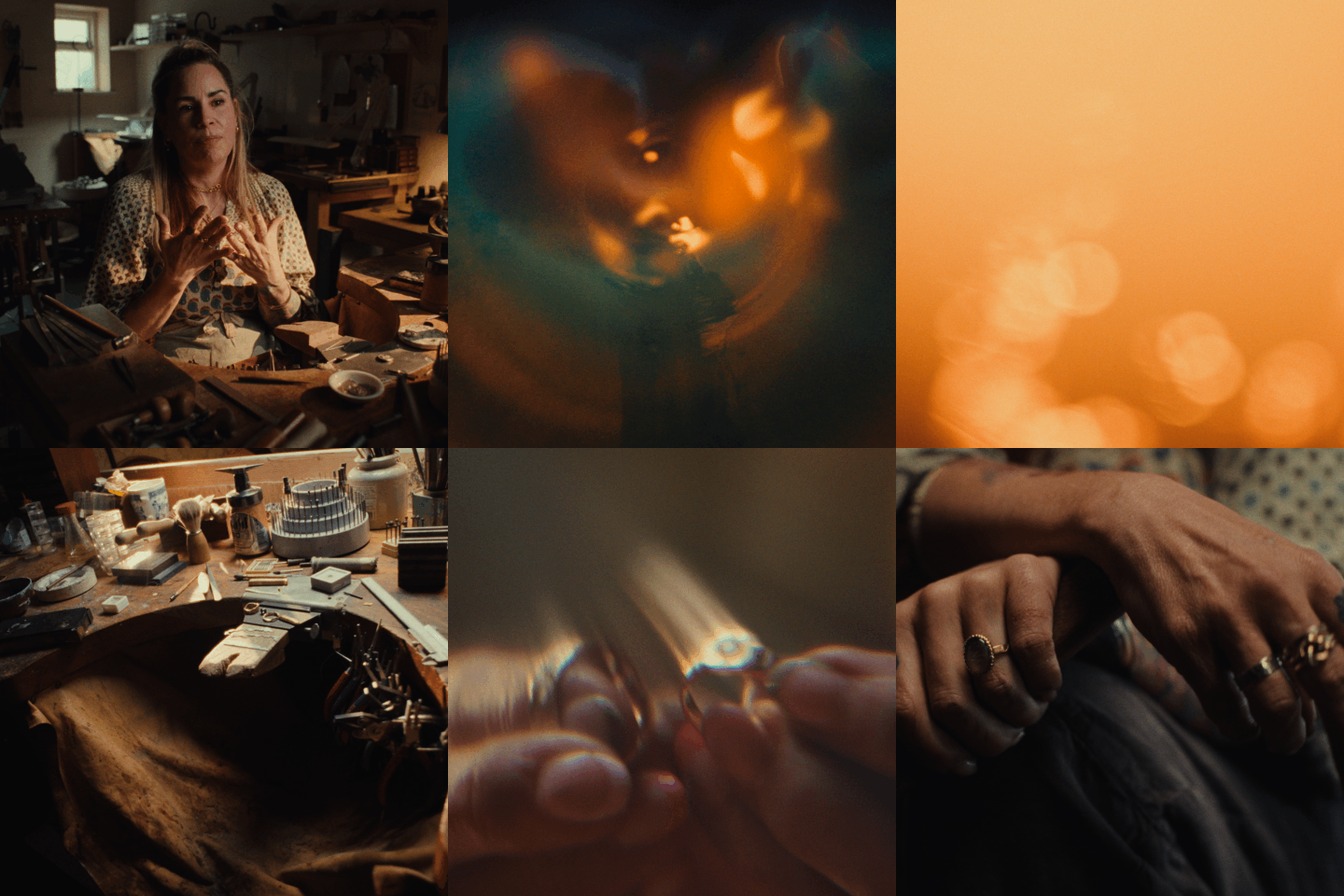
During those conversations, something emerged that became the emotional centre of the film. Isabella spoke openly about wanting to become the best goldsmith she could be, whilst also carrying the weight of the person who taught her everything. There was a quiet conflict in that idea. In some ways, stepping out of Ford’s shadow could only happen because he was no longer there. I found that deeply human and emotionally complicated.
I knew quite early on that I didn’t want to make a conventional observational documentary built around interview and illustrative B-roll. I wanted the film to feel tactile, emotional and slightly abstract at times. Something that allowed the audience to participate rather than simply receive information.
We used practical effects, pyrotechnics and visual motifs throughout the film to create texture and meaning beyond what was being spoken aloud. The bonsai tree became one of those motifs.

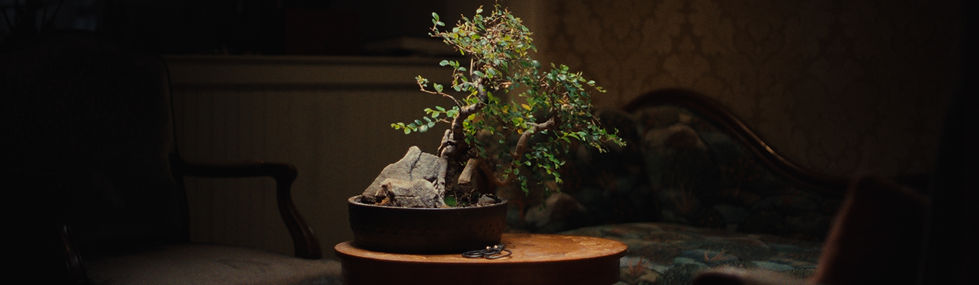
At its core, The Iron Snail became a film about rebirth. About the difficult process of becoming yourself again after losing someone who shaped who you were. Not moving on from them, but learning how to carry them differently.
The film later received awards for Best Film, Best Cinematography and Best Edit at the AOD One-Day-Doc Film Awards in Toronto and continues to find it's audience at several film festivals across the globe.
Directed by Charles Logan Clare.
